Entdeckt die wunderbare Nubische Kunst
Faszinierende nubische Lieder & Musik, Nubische Sprache,Literatur, Bildende Kunst, Geschichte von Nubien, Ereignesse & Kontakte
Faszinierende nubische Lieder & Musik, Nubische Sprache,Literatur, Bildende Kunst, Geschichte von Nubien, Ereignesse & Kontakte
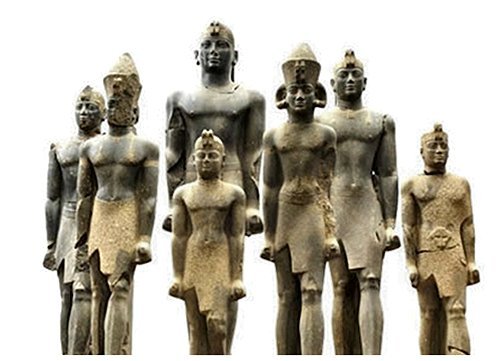
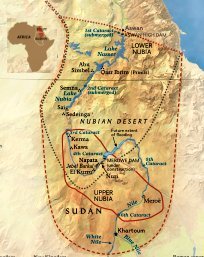
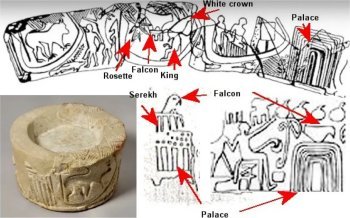
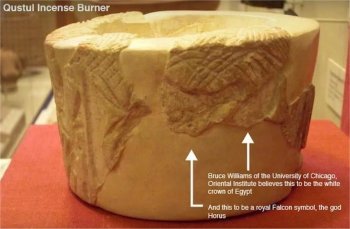
Vor der Überflutung nubischer Gebiete durch den künstlichen Nassersee entdeckte der Archäologe Bruce Williams nahe des nubischen Dorfes Qustul prächtige Gräber von zwölf Königen. Er beschrieb sie als vergleichbar mit denen der ägyptischen Pharaonen, welche die erste Dynastie gründeten und mindestens 300 Jahre später lebten. Die Namen der nubischen Könige sind jedoch wenig bekannt. Daher wird vermutet, dass die soziale und politische Struktur des Königreichs selbst sowie Merkmale wie die weiße Krone und die Darstellung eines Falken und einer Palastfassade auf einem Weihrauchgefäß, das an der Grabstätte gefunden wurde, darauf hindeuten, dass die pharaonische Kultur im oberen Niltal Ägyptens aus der Monarchie von Qustul hervorging oder zumindest stark von ihr beeinflusst wurde. Die Archäologin Maria Carmela Gatto argumentierte bei der Überprüfung dieser Funde, dass „die Elite und der Herrscher von Qustul in der zweiten Hälfte des vierten Jahrtausends zusammen mit ihren Pendants in den Gemeinschaften der Naqada-Kultur im südlichen Ägypten an der Schaffung der entstehenden Kultur und den Symbolen der pharaonischen Kultur beteiligt waren.“
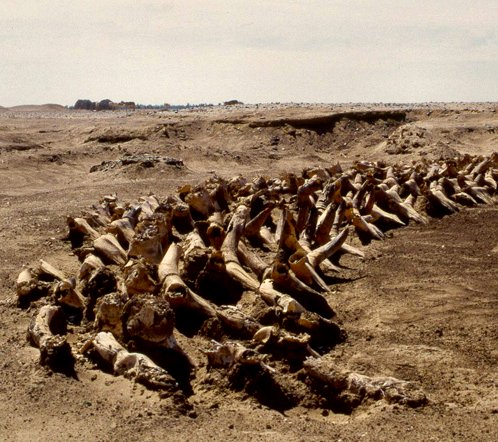
Awawa (oder Awa'a) ist der früheste nubische König, den wir namentlich kennen. Er war ein mächtiger nubischer König, der in Kerma regierte.
König von Kerma, Vater von Teriahi, und Awawa(?).
König der über Kerma regierte
König der über Kerma regierte, Sohn von Awawa.
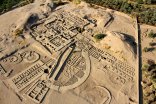
König von Kerma; eroberte ägyptische Festungen in Nubien um 1700 v. Einige ägyptische Soldaten blieben, um für ihn zu arbeiten
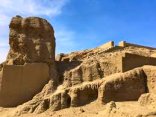
Königin von Kerma
König von Kerma
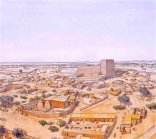
König von Kerma
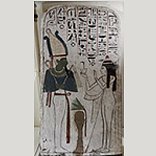
(auch Katimala oder Kadimalo) eine nubische Königin, bekannt aus der Szene in der Festung in Semna in Nubien mit Isis
Frau von Siamun? Vizekönig von Kusch? Genannt "Tochter des Königs" und "Ehefrau des Königs", Ehemann möglicherweise Siamun, Vater möglicherweise Osorkon der Ältere
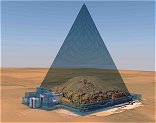
Im Grab El Kurru Ku. Tum. 1 begraben
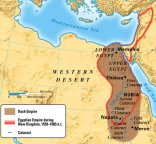
Im Grab Ku. Tum. 6 begraben
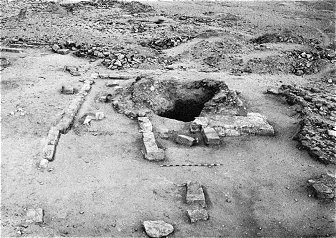
Im Grab tomb Ku. 14 begraben
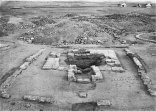
Buried in tomb Ku. 11
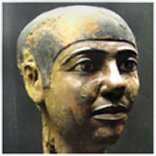
Der Gründer der kuschitischen Macht in der königlichen Dynastie von Napata und war der erste nachgewiesene Prinz von Nubien. Er vereinigte ganz Obernubien von Meroë bis zum dritten Katarakt.
Seine Gattin ist Königin Kasaqa; seine Tochter Tabiry wurde die Ehefrau von König Piye. Begraben im Grab Kurru 9 (?); seine Gattin Kasaqa in Kurru 23
Begraben in Ku.9(?)
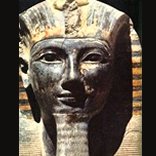
Der Bruder von König Alara, König der Kuschitendynastie Kashta, regierte Nubien und übte auch ein starkes Maß an Kontrolle über Oberägypten aus. Begann Ägypten von den libyschen Pharaonen zu erobern. Während seiner Regierungszeit übernahm die einheimische kuschitische Bevölkerung ägyptische Traditionen, Religion und Kultur.
Ehefrau Königin Pebatjma; Vater von König Piye, Shabaca - Beerdigt in Kurru 8. Ehefrau Kurru 7?Beerdigt in Ku.8
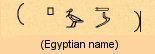
Ehefrau von König Kashta und Mutter von König Piye (möglicherweise), König Shabaka, Gottes Ehefrau Amenirdis I., Queens Khensa und Peksater
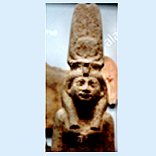
Sie war eine kuschitische Prinzessin, Tochter des Pharao Kashta und der Königin Pebatjma.
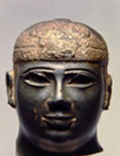
Als Herrscher von Nubien und Oberägypten nutzte Piye die Auseinandersetzung der ägyptischen Herrscher, um Nubiens Macht über Theben hinaus nach Unterägypten auszudehnen und die Unterwerfung der Könige des Nildeltas zu erhalten. Eroberte ganz Ägypten und regierte als Pharao aus der Stadt Napata.
Begraben in Kurru 17; Ehefrauen Königin Tabiry (Kurru 53) Königin Abar (Nuri 53?) Königin Khensa (Kurru 4) Königin Peksater (Kurru 54) Nefrukekashta (Kurru 52)
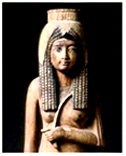
Tabiry war die Tochter von Alara von Nubien und seiner Frau Kasaqa und die Frau von König Piye.
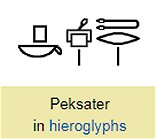
Sie war eine Tochter von König Kashta und Königin Pebatjma und eine Gattin des Pharaos Piye.
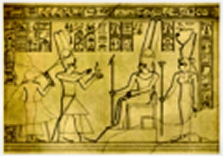
Eine ägyptische Königin, die Mutter von König Taharqa und wahrscheinlich die Ehefrau von König Piye
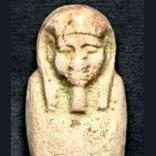
Khensa war die Schwester-Gattin des Pharaos Piye. Ihr Name wird manchmal als Khenensaiuw geschrieben.
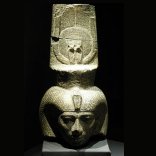
Sie war die Tochter des ersten kuschitischen Phraos Piye und die Schwester der Piye-Nachfolger Taharqa und Shabaka. Auch Shepenwpet II genannt.
Shepenupet II wurde von ihrer Amtsvorgängerin Amenirdis I, einer Schwester von Piye, adoptiert. Shepenupet war von Beginn der Regierungszeit Taharqas bis zum 9. Jahr des Pharao Psamtik I Gottes Frau von Amun. Während ihrer Amtszeit musste sie mit dem Bürgermeister von Theben, Mentuemhat, eine Vereinbarung über die Aufteilung der Macht treffen.
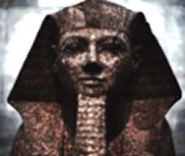
Es wird angenommen, dass Shabaka der Sohn von König Kashta und Pebatjma ist, obwohl ein Text aus der Zeit von Taharqa so interpretiert werden könnte, dass Shabaka ein Bruder von Taharqa und damit ein Sohn von Piye war. Er festigte Nubiens Kontrolle über Ägypten von Nubien bis zur Deltaregion. Shabaka hielt Ägytens Unabhängigkeit vom Assyrischen Reich unter Sargon II auf. Er baute die Tempel von Memphis, Abydos, Esna aus. Königin Qalhata (Kurru 5), Königin Mesbat, Königin Tabekenamun? In Kurru 15 begraben
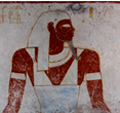
Tochter von König Piye und Königin Gemahlin ihres Bruders Shabaka. Begraben in El Kurru 5
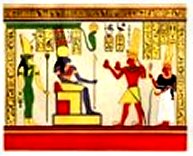
Tabekenamun war eine Tochter von König Piye und möglicherweise eine königliche Gemahlin ihres Bruders Taharqa oder Shabaka.
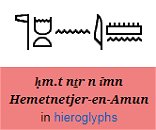
Tochter von Kashta oder Khaemwaset und Königin Kasaqa
Ein Vasall von Shabaka aus der 25. Dynastie, der von ihm als Gouverneur von Sais eingesetzt wurde.
>Shebitqo aus der 25. Dynastie besiegte Bakenranef aus der 24. Dynastie, der erstere wählte einen treuen Kommandeur und stellte ihn in die Regierung von Sais ein. Der ursprüngliche Name dieses Herrschers ging verloren, wurde aber offenbar als Ammeris oder Ameres hellenisiert, mit dem Spitznamen "der Nubier" aufgrund seines Herkunftsortes. Er regierte wahrscheinlich die Stadt bis c. 695 v. Chr., Als er von Stephinates (Tefnakht II) abgelöst wurde
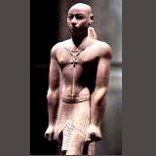
Haremakhet, auch Horemakhet oder Harmakhis, war während der 25. Dynastie ein altägyptischer Prinz und Hohepriester von Amun. Als Sohn des Pharaos Shabaka und möglicherweise seiner Königin Tabaktenamun wurde er von seinem Vater zum Hohepriester von Amun in Theben ernannt und amtierte während der Regierungszeit von Taharqa und Tanutamani.
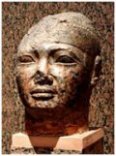
Auch Shabataka genannt. Er war der Neffe und Nachfolger von Shabaka und ein Sohn von Piye, dem Gründer der Dynastie. Er war der Neffe und Nachfolger von Shebaka. Während der Regierungszeit von Shabaka gab es eine Politik der Versöhnung und Zusammenarbeit mit den Assyrern. Dies hielt die Assyrer davon ab, weiter nach Ägypten zu kommen. Shebitku hatte eine andere Politik; Widerstand. Eine Stele aus Kawa erzählt von Shebitku, der seine Brüder, einschließlich Taharqa, bittet, aus Nubien zu ihm nach Theben zu kommen. Die Armee ging mit Taharqa. Shebitku widersetzte sich aktiv der assyrischen Expansion unter Sennacherib nach Kanaan. Der König von Kush (Äthiopien) kam gegen Sennacherib (von Assyrien). Shebitku schloss sich dem Widerstand gegen Sennacherib an und eine ägyptische Armee wurde nach Palästina geschickt, angeführt von Shebitkus Bruder Taharqa.
Seine Ehefrau war Arty, eine Tochter von König Piye (Kurru 6)
Begraben in Kurru 18
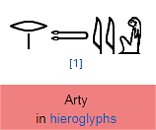
Tochter von König Piye und Ehefrau von Shebitku. Begraben in Kurru 6.
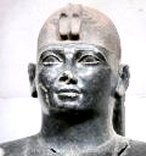
Er war der Sohn von Piye, des nubischen Königs von Napata, der als erster Ägypten erobert hatte. Taharqas 26-jährige Regierungszeit unterscheidet sich von jeder anderen in der dritten Zwischenzeit durch den Umfang des Bauprogramms, das er in den ersten 16 Jahren seiner Regierungszeit durchgeführt hat, und durch das Ausmaß der Kämpfe gegen die Assyrer in den späteren Jahren. Im kushitischen Königreich Napata baute er an allen wichtigen Orten: Sanam, Napata, Abu Dom und Kawa. Insbesondere in Kawa baute er einen Tempelkomplex um und erweiterte ihn, der zum zweitwichtigsten in Kush wurde. Auf der Spitze von Jebel Barkal installierte er eine große, mit Gold bedeckte Tafel, die seine Erfolge ehrte. In Ägypten hat er in Karnak den großen nubier Mentuemhet als Bürgermeister eingesetzt, der seinen Titel als vierter Prophet Amons außerordentlich stolz gemacht hat. Taharqa kämpfte auch gegen die Assyrer und besiegte sie in Palästina. In 674 v. Chr., griff König Esarhaddon von Assyrien Ägypten an. Taharqa tadelte schnell ihren Vormarsch und veranlasste die Invasoren, sich zurückzuziehen. Drei Jahre später fielen assyrische Truppen in Ägypten ein und eroberten Unterägypten, wobei sie Neto I. in Sias auf den Thron setzten. Sobald die Assyrer das Land ihren ägyptischen Vasallen überließen, trieb Taharqa seine Streitkräfte wieder nach Norden und erlangte 669 v. Chr. die volle Kontrolle über Ägypten zurück, und stellte seine Herrschaft über die gesamte Delta-Region wieder her. Als Taharqa nach Nubien zurückgign, schworen die ägyptischen Gouverneure den Assyrern erneut Treue. Nachdem er ein zwites Mal von den Nildelta-Vasallen verraten worden war, gab Taharqa seine Hoffnungen auf, Ägypten jemals wiederzugewinnen, und zog sich nach Nubien zurück.
Begraben in Nuri 1 - Königin Takahatenamun (Nuri 21?) Königin Atakhebasken (Nuri 36) Königin Naparaye (Kurru 3) Königin Tabekenamun?
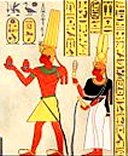
Sie war die Tochter von Pharao Piye und die Schwesterfrau von Pharao Taharqa. Takahat (en) Amun ist aus einer Tempelszene des Tempels von Mut in Gebel Barkal bekannt, in der sie hinter Taharqa steht, welcher Amun-Re und Mut Opfer bietet.
Möglicherweise in Nuri 21 begraben
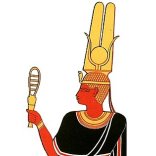
Naparaye war die Tochter von König Piye und die Schwesterfrau von König Taharqa. Sie hatte mehrere Titel: Großartig in der Gnade, Groß im Lob, Süß in der Liebe, (Großartige?) Gattin des Königs, Dame der beiden Länder und Königs-Schwester.
Naparayes Name ist aus ihrem Grab in el-Kurru (Ku. 3) bekannt. In ihrer Pyramide wurde ein Alabaster-Opfertisch gefunden (Khartoum, Nr. 191).
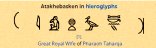
Auch als Akhetbasaken bekannt. Sie war die große königliche Gattin des Pharao Taharqa.
Atakhebasken ist hauptsächlich aus ihrem Grab in Nuri bekannt (Nu. 36). Zu den Funden aus dem Grab gehören: ein Shabti, Baldachingläser, die sich jetzt in Boston befinden, und ein Altar, der sich jetzt im Meroe-Museum in Khartum befindet
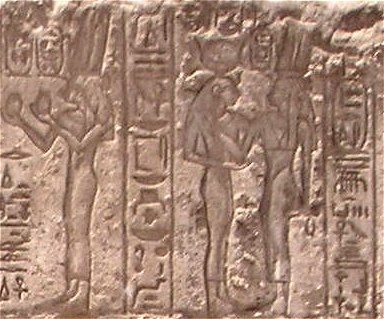
Eine Tochter des kuschitischen Pharaos Taharqa. Sie wurde von Shepenupet II, der Tochter von Piye, adoptiert, um die göttliche Verehrerin von Amun zu werden.
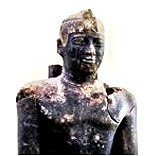
Aauch bekannt als Tandaname, Tanwetamani oder Tementhes. Sohn von Shabaka. Taharqas Neffe. Nachdem die Assyrer Necho I. zum König ernannt und Ägypten verlassen hatten, marschierte Tantamani von Nubien aus, tötete Necho I. im Kampf und besetzte ganz ägypten erneut. Die Assyrer kehrten nach Ägypten zurück, griffen Theben an, besiegten Tantamanis Armee, töteten viele Menschen und plünderten alle heiligen Stätten und beendeten effektiv die nubische Kontrolle äber Ägypten.
Begrabener Kurru 16, mit schönen bemalten Kammern; Königin Piankharty, Königin [..] Salka, Königin Malaqaye? (Nuri 59)
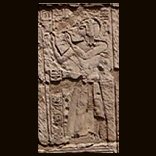
Ehefrau von Tantamani, auch Piye-arty oder Piye-irty genannt. Abgebildet auf Tantamanis Traumstele in Ghiza. Atlanersa könnte ihr Sohn sein
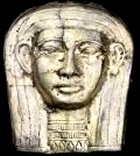
Gemahlin for Tantamani
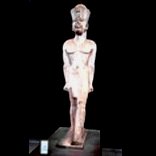
Wahrscheinlich Sohn von Taharqa. Ehefrauen: Yeturow (Königsfrau, Königsschwester) (Nuri 53), Khaliset (Königsfrau, Königsschwester), Malotaral, Mutter von Senkamenisken (Nuri 41), Peltasen, Taba [...]
Kinder: Königin Nasalsa, möglicherweise Senkamenisken
Begraben in Nuri 20
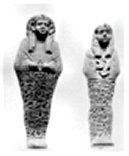
Ehefrau und Schwester von König Atlanersa
Begraben in Nuri 53
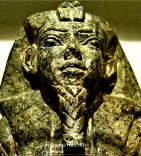
Ein nubischer König aus Napata, möglicherweise Sohn von Altanersa. Er war mit Königin Nasalsa (Nuri 24) verheiratet, die ihm zwei Söhne gebar: Anlamani und Aspelta und Königin Madiqen; Königin Amanimalel? (Nuri 22?)
Begraben in Nuri 3
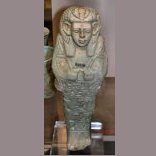
Auch Nensela genannt. Ehefrau und Schwester von König Sensamanisken, Mutter von Aspelta, Ansamani und Königin Madiqen
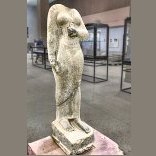
Wahrscheinlich Ehefrau von Nasalsa, möglicherweise Mutter der Königinnen Asata und Madekan
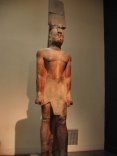
Sohn des Königs Senkamanisken. Während seiner Regierungszeit erlebte Kush eine Wiederbelebung seiner Macht in der Region. Königin Mediken? (Nuri 27)
Begraben in Nuri 6
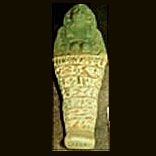
(auch Madekan) Wahrscheinlich Frau von Anlamani; Tochter von König Anamimalel und Königin Nasalsa
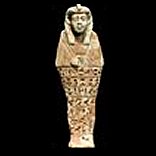
Wife of Aspelta.
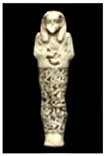
Wife of Aspelta.
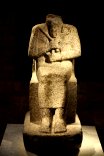
Also called Armantelqo. Son and successor of King Aspelta and Queen Henuttakhibit.
Wives: Queen Atmataka (Nuri 55) Queen Piankh-her Queen Maletasen (Nuri 39) Queen and sister Amanitakaye, mother of King Malonaqen (Nuri 26) Sister and Queen Akhe(qa)? (Nuri 38)
Buried at Nuri 9
Wife of King Amtalqa
Buried at Nuri 55
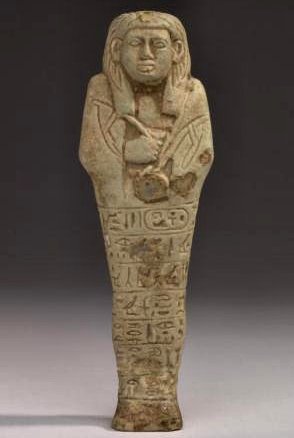
Wife of King Amtalqa
Wife of King Amtalqa, mother of King Malonaqen
Buried at Nuri 26
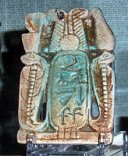
or Maloinaken
His prenomen was "Sekhemkare." He is thought to be the son of king Aramatle-qo and queen Amanitakaye, although this is based merely on assumptions. His queen consort is thought to be Tagtal, who was buried at Nuri (Nu. 45)
He is well known from his pyramid (Nu.5) at Nuri as well as by a votive cartouche from Kawa and on blocks (from temple M 242, 294) and other objects in Meroë
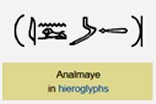
He succeeded King Malonaqen and was in turn succeeded by King Amaninatakilebte
Buried at Nuri 18
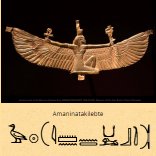
These remains, along with engraved blocks at Meroe, are the only known records of the ruler. function of which remains obscure
According to Herodotus, the Persian King, Cambyses attempted an invasion of Meroe in about 525 BC that possibly occurred during the reign of Amaninatakilebte
Buried at Nuri 10
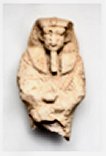
He succeeded King Amaninatakilebte and was in turn succeeded by King Amaniastabarqa
Buried at Nuri 7
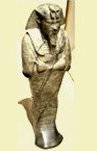
The pyramid was excavated by a Harvard University-Boston Museum of Fine ArtsExpedition in 1917. As a result, many of the objects that belonged to him are now in Boston, including ushabtis, pottery, foundation deposits, stone objects and gold artifacts.
Buried at Nuri 2
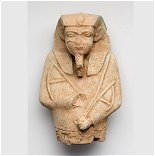
Also called Si'aspiqo Queen Piankhqew-qa? (Nuri 28)
Several inscribed stelas bearing his name and numerous artefacts
Buried at Nuri 4
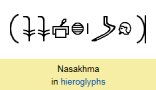
Nasakhma was succeeded by Malewiebamani, who may have been his eldest son. It is possible that Talakhamani was a younger son of Nasakhma who took the throne after his brother Malewiebamani. Another possibility is that Talakhamani is Malewiebamani's son and thus possibly Nasakhma's grandson.
Nasakhma was buried at Nuri (Nu. 19)
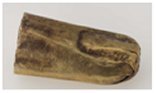
Probably mother of Malewiebamani Period, Service of Nesi Nasakhma, 468–463 B.C.E..
Provenance: From Nuri, Pyramid 31 (Tomb of Queen Saka-aye
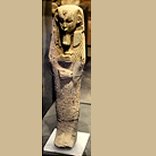
Malewiebamani's mother was probably Queen Saka'aye. Malewiebamani was the son of either Nasakhma (whom he succeeded) or Siaspiqa.
Buried at Nuri 11
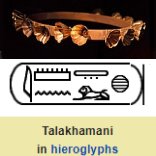
He may have been a son of Nasakhma and a younger brother of Malewiebamani. It is also possible Talakhamani was a son of Malewiebamani.
Buried at Nuri 16
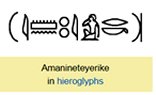
His name is also written as Amanneteyerike, Aman-nete-yerike, or Irike-Amannote.
The son of King Malewiebamani, and brother of Baskakeren. His predecessor Talakhamani was either an older brother or an uncle. May have been married to Atasamale, sister-wife , mother Harsiotef (Buried Nuri 61). Possibly father of Harsiotef and Batahaliye
Himself buried at Nuri 12
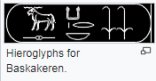
He was probably a son of King Malewiebamani and the younger brother of King Amanineteyerike. He succeeded Amanineteyerike to the throne.
Buried Nuri 17
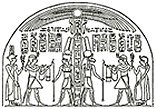
Also called Si'aspiqo Queen Piankhqew-qa? (Nuri 28)
Harsiotef (also called Harsiyotf: was probably the son of Queen Atasamale and King Amanineteyerike.
His inscription describes the holy site of Jebel Barkal. He covered temples partly with gold, laid out gardens and cattle pens, rebuilt the old royal palace at Jebel Barkal which had sixty rooms. His wives were his sister Batahaliye (Nuri 44) and probably sister Pelkha, mother of Nastasen.
Buried at Nuri 13
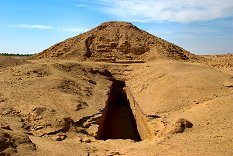
Buried at Kurru 1
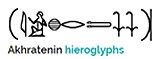
Also called Achratenin. Took some titles based on Egyptian pharaohs. Possibly son of Harsiotef and brother of Nastasen. Cartouche and headless black granite statue
Buried at Nu. 14
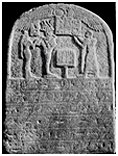
Amanibakhi was the successor of Akhraten and the predecessor of Nastasen. The burial place of Amanibakhi is Nuri, but grave is not known
Buried at Nuri
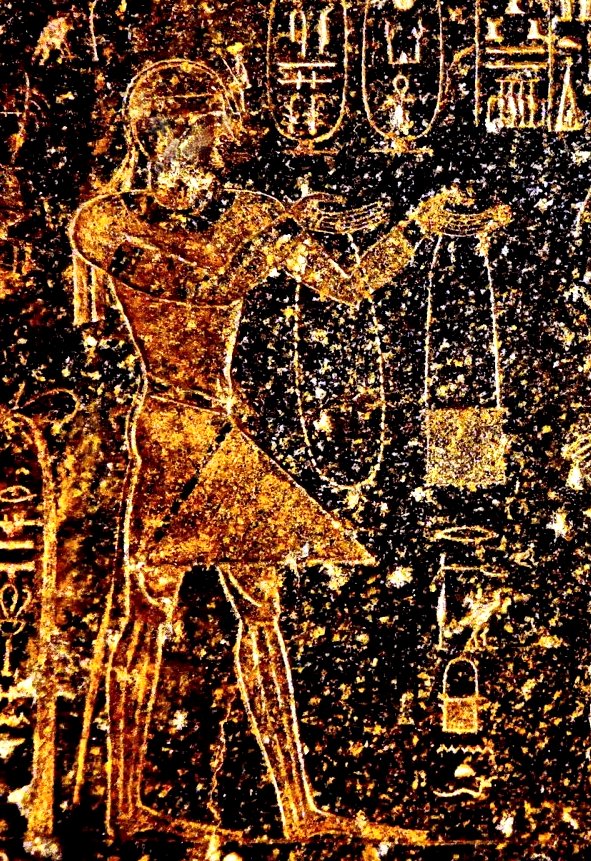
He was probably the son of King Harsiotef and Queen Pelkha and his wife may have been Sekhmakh. (Nuri 56?)
Nastasen defeated an invasion of Kush from Upper Egypt led by a local ruler, Khabbash, who came with transport ships, people and cattle. Nastase took his treasures and dedicated it to the God Amun.
Buried at Nuri 15
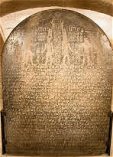
Wife of King Nastasen. (Nuri 56?) Sekhmakh is known from the great stela of the king, where she is depicted in the roundle. There is also her funerary stela,[1] found in a temple at Jebel Barkal and obviously reused
The burial, where the stela was once placed is unknown. Sekhmakh bears the titles king's daughter, king's wife and mistress of Egypt. Her royal parents are unknown.
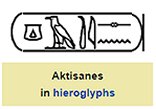
Aktisanes is a Nubian king who is mentioned by the Greek historian Hecataeus of Abdera. He is perhaps identical with Menmaatre-Setepenamun Gatisen known from Nubian sources. Married Kandake Alakhebasken.
Buried at Barkal 11

Wife of Nubian King Aktisanes
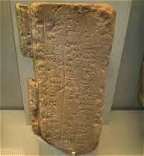
Also called Arkamani. Nubian King attested on a stela found in Kawa. Reigned for at least 23 years.
Buried at Barkal 14
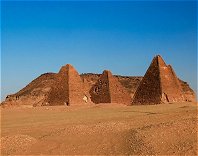
Buried at Barkal 15
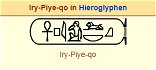
Mentioned in partially damanged and poorly written stela of Aryamani, Kawa XIII
Burial place unknown
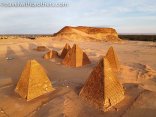
Mentioned only in an inscription found so far. It is found in the Amun temple at Kawa.[1] This badly damaged inscription also mentions king Piye-Iry-qo, who therefore preceded him. The inscription is on top of two inscriptions from Amanineteyerike, which is an indication that Sabrakamani reigned later than Amanineteyerike. The inscription lists dedications to the temple
Buried at Barkal 7(?)
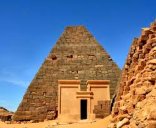
(also Arkamaniqo,[2] Arkakamani or Ergamenes I[1]) was a Nubian king of Meroë instructed in Greek philosophy who ruled in the early third century BCE.
The only secure archeological attestations of Arakamani come from his funerary pyramid. Consolidated transfer of power to Meroe; more African influence. According to historian Theodorus Sicilus, The priests at Meroë have acquired great power. They formed a resolution, sending a courier to the king, with an order to him to die. Arkamani opposed this tradition, and massacred the priests, instituting a new religion.
Buried at Begarawiyah S 6
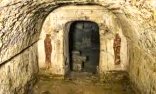
Amanislo is mainly known from his pyramid at Meroë. He is buried in Meroe, Beg. S 5. He is also known from an inscription on a granite lion figure
Buried at Begarawiyah S 5
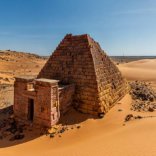
Buried at Begarawiyah S 10
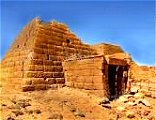
Amantekha, also Aman-tekha or Amantaka, is so far only known from his pyramid in Meroe (Beg. N.4) and was the first king buried at the North Cemetery at Meroe. The king's name appears on blocks from the south wall of the pyramid chapel.
Buried at Begarawiyah S 4
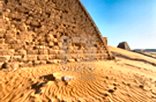
Shesep ankh Atum, means living image of Atum, Atum being both the creator god and the setting sun.”
Buried at Barkal 14
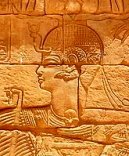
The king is mainly known from his building activity at the Musawwarat es-Sufra temple complex. The main temple complex at this place was built by Arnekhamani, but was never finished. Most likely the king died before completing. The son is called Arky and bears the title Priest of Isis, of Ipeber-ankh (Musawwarat es-Sufra).
Buried at Begarawiyah N 53
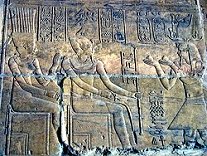
Arqamani (also Arkamani or Ergamenes II) was a Kushite King of Meroë dating from the late 3rd to early 2nd century BCE. It is believed that Arqamani ruled in Meroë at the time of the Egyptian revolt of Horwennefer against Ptolemy IV Philopator (reign 221–204 BC He is attested by a number of inscriptions and reliefs from Kalabsha, Philae and the temple of Dakka. In the latter locality, he usurped some donation inscriptions originally inscribed for Ptolemy IV.
Buried at Begarawiyah N7

Adikhalamani is said to be contemporary with an Egyptian revolt dated to ca. 207-186 BCE During this revolt a ruler, Horwennefer (who may have been a Nubian) took control of Thebes and revolted against Ptolemy IV Philopator. The revolt ended ca. 186 BCE when Ankhwennefer (his successor or more likely Horwennefer with a different nomen) was captured and executed.
Adikhalamani initiated the building of the Temple of Debod, which contains reliefs showing the king offering to various deities, including Amun, Mut, Osiris, Isis, Harpocrates, Nekhbet and Wadjet.
Buried at Beg. N 9
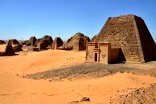
The name or information about this king is not known.
Buried at Begarawiyah N 10
Shanakhdakheto or Shanakdakhete was a Queen of the Kingdom of Kush, when the polity was centered at Meroë. She is the earliest known ruling African queen of ancient Nubia and reigned from about 170 to 150 BC, although the period 170–160 BC is also mentioned.[1] She is said to have ruled with full power in the Meroë Empire. She is also said to have ruled without a king. As queen she played a significant role in the Meroitic religion. In the 2nd century BC Shanakdakheto built the Temple F at Naqa, Shanakdakheto's name is inscribed as a royal queen in the Egyptian Meroitic hieroglyphs. This inscription is the one seen on the doorjambs of the altar niche of Temple F in Naqa
Buried at Begarawiyah N 11
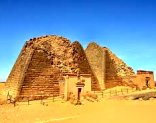
Buried at Begarawiyah N 12
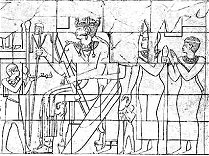
Buried at Begarawiyah N 13
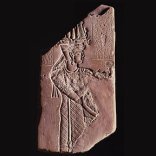
Tanyidamani was a Kushite king of Meroë who ruled around 100 BCE. He is known by some objects, the most remarkable among these is a large stele from Jebel Barkal: it is the first long-known text in Meroitic alphabet. Another smaller, red siltstone stele was found in the temple of Apedemak at Meroë, and is now at the Walters Art Museum
Buried at Beg. N 20
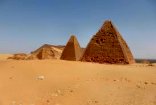
Buried at Buried at Bar. 2
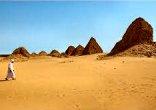
Buried at Bar. 4
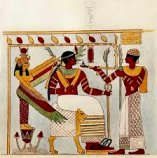
Nawidemak is the fourth in succession of female rulers of Kush, known as Kandakes. She is known from the wall relief of her burial chamber at Meroe (Beg. N 6), which shows her wearing a royal coat, sash and tasseled cord, Both the fastening knot on her coat and on the cord feature a couchant animal, symbols of royalty. In the relief, she wears the crown of Osiris on her head.
Also known as Naldamak, she succeed her mother, Amanitore, who reigned from BCE 12. Nawidemak is portrayed on a pyramid as Osiris, a male god sheltered by the wings of the great goddess Isis. Before her ruled aunknown queen. Her husband was prince Apedemakhe. Her son Arikharer [Arikhankharer] ruled in 10-15.
Buried at Barkal 6
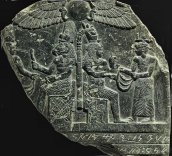
Amanikhabale (also Amanikable, transliterated Astabarqaman)
Buried at Begarawiyah N 2
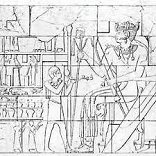
Buried at Begarawiyah 14
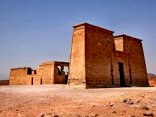
Aqrakamani is only known from a Demotic inscription at Dakka. The date of the inscription and therefore the date of the king are disputed, but it seems most likely that the inscription was written when the Triacontaschoenus (parts of Lower Nubia, where the temple of Dakka is standing) was under Meroetic rule. The text also mentions his mother, the queen (t3 pr-ˁ3t) Naytal
Burying location unknown
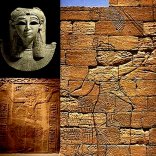
Wife of Qore Teriteqas, who died in battle. In 27 BC, the Romans launched an attack on Kush. Amanirenas and her son Akinidad defeated Roman forces at Syene and Philae. She led Kushite armies against the Romans in a war that lasted five years, from 27 BC to 22 BC. After an initial victory the Kushites were driven out by Gaius Petronius. The Romans established a new frontier at Maharraqa.
Strabo accounts of a "fierce one-eyed queen Candace" capturing a series of Roman forts in southern 25 BC Nubia. She cut off the head of a statue of Augustus and "buried the severed head of the glorious Augustus beneath the steps of a temple dedicated to victory."
After defeats by Petronius who occupied and ravaged the city of Napata, Kush failed to overwhelm the Roman garrison at Primis (today Qasr Ibrim). A peace treaty was signed in 24 B.C. in Dakka. Kandake Amanirenas had spared her people centuries of domination by successfully resisting conquest by Rome. Unlike other kingdoms, she did not cede large swaths of territory and never was forced to pay tribute or contribute material resources to Rome.
Jebel Barkal (Bar. 4?)
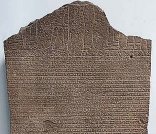
Akinidad was the son of Amanirenas; as a crown prince he served as Chief of the city Qasr Ibrim. He fought the Romans at the side of his mother Amanirenas, and was killed in 24 BC during the battle for Dakka. A large stela with Meroitic cursive script was erected in Qasr Ibrim in his memory.
Extract of the writing: "Protect the prestige of the prince as is the tradition (and) vouchsafe the soul and honorable offering." "(There) will be eternal honor indeed for the prince." "The good embarkation of Akinidad (to Paradise) to will grant the patron a boon, (and) bring (him) eternal good"
The location of his burial is unknown.
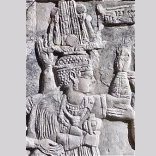
In Meroitic hieroglyphs her name is written "Amanikasheto" (Mniskhte or (Am)niskhete). In Meroitic cursive she is referred to as Amaniskheto qor kd(ke) which means Amanishakheto, Qore and Kandake ("Ruler and Queen")
Amanishakheto was both a warrior and a builder. This queen is known until today for her impressive jewelry collection, now on display at the Egyptian Museum of Berlin and that of Munich, as well as the construction of Meroe’s ancient pyramids. Amanishakheto can be seen on the walls of the Amun Temple of Kawa, the palace of Wad ban Naqa, and on the stela of Qasr Ibrim in Upper Egypt, and on another in Naqa.
Collection of jewelry found in her pyramid in 1834 by Italian treasure hunter Giuseppe Ferlini, who destroyed the pyramid in search of its burial goods
Buried at Begarawiyah N 6
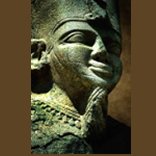
Natakamani is the best attested ruler of the Meroitic period. He was born to Queen Amanishakheto. Natakamani is known from several temple buildings and from his pyramid in Meroe. He restored the temple of Amun. Dedication of the temple at Faras. On several monuments he appears together with co-regent Queen Amanitore.
Buried at Begarawiyah N 22
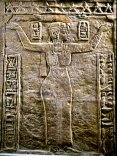
Amanitore is often mentioned as co-regent with Natakamani, but it is unclear whether she was his wife or his mother. Her royal palace was at Gebel Barkal, the area of her rule was between the Nile and the Atbara rivers. Amanitore is mentioned in a number of texts as a ruler, including the temple at the Nubian capital of Napata, in a temple in Meroe near Shendi, and at the Naqa Lion Temple. She restored the temple of Amun at Meroe and the Amun temple in Napata. Water reservoirs were constructed at Meroe, and built Amun temples at Naqa and Amara.
Buried at Begarawiyah N 1
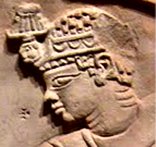
Arikhankharer was the eldest son of Natakamani and Amanitore. While he was crown-prince the temple of Amun at Naqawas decorated. Arikhankharer is depicted on a slab now displayed at the Worcester Art Museum in Worcester, Mass. He is given the title pkrtr which means crown-prince. Arikhankharer died fairly young and was succeeded as crown-prince by his brother Arikakahtani.
Buried at Begarawiyah N 5
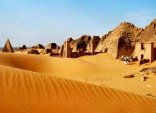
Arikakahtani succeeded his brother Arikhankharer after his death
Buried at Begarawiyah N 56
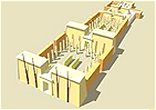
(also transliterated Sherkarer, Sherakerer) Shorkahor was the third son of Natakamani and Amanitore.. While he was crown-prince the temple at Amada was constructed.. After Natakamani's death Shorkahor took the throne. Shorkahor commanded the inscription of a Meroitic relief found at Jabal Qayli, near the trade route to Kassala. This is the easternmost inscription of the Meroitic kings found so far
Burying location possibly at Begarawiyah 10
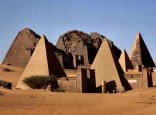
Buried at Beg. N. 15
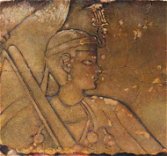
Buried at Beg. N. 16
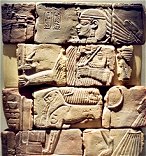
Amanitenmemide was a Nubian king whose throne name was Nebmaatre. His name is written in Meroitic, while his throne name is written in classical Egyptian hieroglyphs. He is thus far only known from his pyramid in Meroe (Beg. N17).
Buried at Beg. N. 17
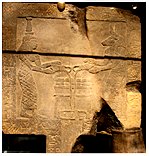
Also Amanikha Tashan. Amanikhatashan is famous for having sent her Kushite cavalry to help Titus during the Great Jewish Revolt in 70 AD. She was also a priestress of Sky goddess Nut.
Buried at Beg. N 18
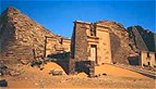
Buried at Beg. N 40
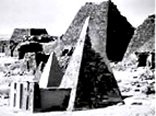
Teqerideamani I is believed to have been a King of Kush dating to the end of the 1st and beginning of the 2nd century AD.
Buried at Beg. N. 28
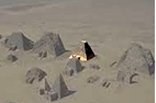
His name appears on a copper medallion and a fragment of masonry. Both engravings were found at Meroe which were written in the Meroitic script
Buried at Beg. N. 34
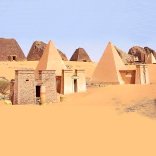
Buried at Beg. NAI
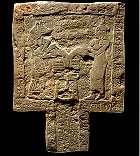
Tarekeniwal was a Kushite King of Meroe of whom little is known. He likely ruled the Meroitic empire during the 2nd century AD. Tarekeniwal is only known from his pyramid in Meroe (Beg. N 19). His name appears on the pylon of the cult chapel in front of the pyramid, which was in modern times restored. The chapel and its decoration is still well preserved.His name is inscribed there in Meroitic hieroglyphs in a sacrificial tablet. His parents were also named; his father's name is Adeqetali and his mother's name is Napatadakheto. The sacrificial tablet is now in Berlin.
Buried at Beg. N 29
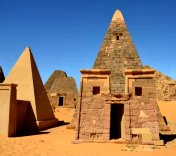
Tarekeniwal is only known from his pyramid in Meroe (Beg. N 19. His name appears on the pylon of the cult chapel in front of the pyramid, which was in modern times restored. The chapel and its decoration is still well preserved.
Buried at Beg. N.19
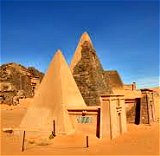
Buried at Beg. N.32
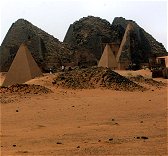
Buried at Beg. N.30
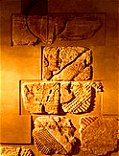
Until recently not much was known about Amanikhareqerem. His name only appeared on two ram figures and an object found at Napata. In recent years new excavations at Naqa provided more evidence for him. In 1998, a sandstone medallion with his name was found and recently a temple decoration with his name was excavated at the same place
Buried at Beg. N.37
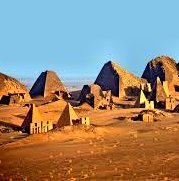
Buried at Beg. N.38
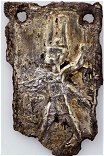
Buried at Beg. N.36
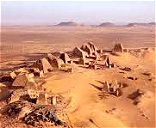
Buried at Beg. N.51
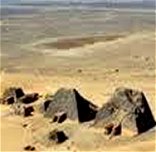
Buried at Beg. N.36
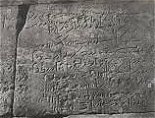
The most important monument of Teqerideamani is an inscription in demotic in the Isis temple at Philae, which bears his name. The inscription is dated during the reign of the Roman emperor Trebonianus Gallus—10 April 253—and is so far the only secure date in early Nubian history.
Unknown burial location
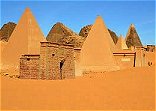
Maleqorobar , also Malegereabar, was a queen or Candace of Kush (modern day Sudan) from 266 to 283 CE; she is one of eight Candaces known to the Western world. She ruled over the ancient kingdom from Meroe half a century prior to its final decline and sacking by the Roman proxy state of Axum. According to several sources, nothing is known of her reign.[1] Some list her as the last Candace of Meroe, but this is inaccurate; that title should be attributed to Lahideamani (306 to 314 CE).
Buried at Beg. N.27
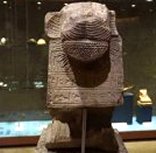
Yesebokheamani (or Amaniyesebokhe) was the king (Qore) of Kush who took control of the Dodecaschoenus after the Roman withdrawal in 298. This enabled him to make a personal visit to the temple of Isis at Philae.
He is known from a stela in the temple of Apedemak in Meroë with an inscription in cursive Meroitic script. A monumental lion statue was erected at Qasr Ibrim in his honour, with an inscription in hieroglyphic Meroitic describing the king as "beloved of Amun of Luxor", erected after the Kushite occupation of the Dodecaschoenus, which affected all the land south of Philae. There is archaeological evidence for the Kushite fortification of Kalabsha, presumably as a defence against the raiding.
Buried at Beg. N.24
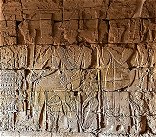
They are known to have ruled over Meroe during its decline but no other details have come to light. Meroe's wealth and prestige began to wane c. 200 CE when Rome elevated the Kingdom of Axum in Ethiopia to its primary partner in trade and Meroe was slighted.
Buried at Beg. N.26
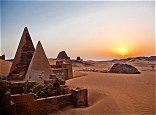
Patrapeameni was also known as Nahidemani. During her era the Meroeans developed a unique art from uniting styles of Black Africa and Mediterranean Egypt.
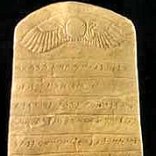
Amanipilade was a Nubian queen regnant of Kush. She was the final queen of the city of Meroë in between circa 308 to 320, she likely died around 350 AD. Much like other Kushite rulers her name incorporated that of the god Amun. Amanipilade is solely attested from a meroitic inscription on a funerary inscription of Shiye found in Meroë. Her parents names also mentioned there, her father; Tekye and mother; Makehanye.
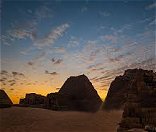
In c. 330 CE Meroe was invaded by Axum, most likely under their king Ezana, and sacked; it was deserted c. 350 CE.
Burial location unknown
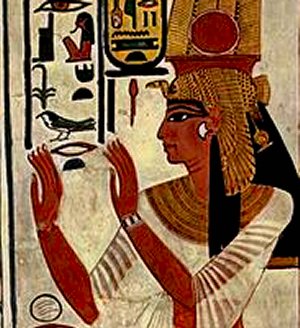
Nefertari, knowns to be of Nubian origin, was the loved wife of Pharaoh Ramesses II famous for her beauty and grace. She was highly educated and able to both read and write hieroglyphs, a very rare skill at the time. She used these skills in her diplomatic work, corresponding with other prominent royals of the time. She is known to have even accompanied Ramses, in some cases, on military campaigns. Nefertari held many titles, including: Great of Praises, Sweet of Love, Lady of Grace, Great King’s Wife, his beloved, Lady of The Two Lands, Lady of all Lands. Nefertari had at least four sons and two daughters.
What was probably a politically inspired union would, over time, blossom into an amorous relationship wherein Ramses II celebrated his love for her with monuments and poetry dedicated to her honor. Ramesses II personally named her ‘The one for whom the sun shines’, and wrote love poems for her: ✶ Wonderful! My Love is unique, no one can rival her. ✶ Just by passing, she has stolen away my heart ✶ .✶ Nefertari, you are herald as the Nubian queen ✶ who married King Rameses II of Egypt for peace ✶ a union that brought fighting ✶ between Nubia and Egypt to an end ✶ a truce lasting well over a hundred years. ✶ It took a great deal of courage ✶ such an incredible sacrifice you made ✶ inhabiting a land ✶ that was hostile to your people ✶ for peace, was a brave path you paved.
The greatest honor was bestowed on Nefertari however in Abu Simbel. Nefertari is depicted in statue form at the great temple, but the small temple is dedicated to Nefertari and the goddess Hathor.
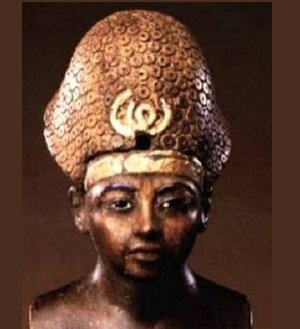
Also known as Amenhotep the Magnificent, his reign was a period of unprecedented prosperity and splendour, when Egypt reached the peak of its artistic and international power.Amenhotep III reign was a period of peaceful prosperity, which Egypt did not experience again until the reign of Ramses II, and was one which resulted in unprecedented artistic development.Monuments glorifying Amenhotep III, his reign, and the gods, were constructedall over Egypt. In Nubia, the temples of Soleb and Sedeinga, devoted respectively to Amenhotep III, who was deified during his lifetime, and his wife Tiye, are monumental attestations to Egypt’s presence to the south of its borders. He was a master of diplomacy, who placed other nations in his debt through lavish gifts of gold so that they would be inclined to bend to his wishes, which they invariably did. His generosity to friendly kings was well established, and he enjoyed profitable relationships with the surrounding nations. Amenhotep III's vision was of an Egypt so splendid that it would leave one in awe, and the over 250 buildings, temples, statuary, and stele he ordered constructed attest to his success in this.
He was only twelve years old when he came to the throne and married Tiye in a royal ceremony. It is a significant aspect of Amenhotep's relationship with his wife that, immediately after their marriage, she was elevated to the rank of Great Royal Wife. He ruled Egypt with Tiye for 38 years until his death and was succeeded by Amenhotep IV, later known as Akhenaten. He maintained the honor of Egyptian women in refusing requests to send them as wives to foreign rulers, claiming that no daughter of Egypt had ever been sent to a foreign land and would not be sent under his reign.
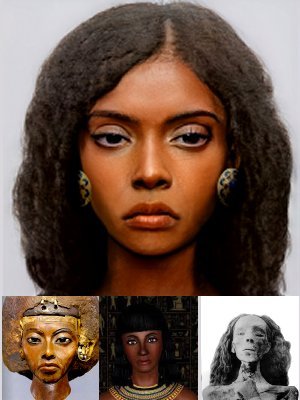
Tiye (also known as Tiy, was a queen of Egypt, wife of the pharaoh Amenhotep III, mother of Akhenaten, and grandmother of both Tutankhamun and Ankhsenamun. She exerted an enormous influence at the courts of both her husband and son and is known to have communicated directly with rulers of foreign nations. The Amarna letters also show that she was highly regarded by these rulers, especially during the reign of her son.
Tiye's father was Yuya, a provincial priest from Akhmin, and her mother was Tjuya, a servant of the queen mother, Mutemwiya. Her parents' names, some claim, are not Egyptian, and it has been suggested that they were Nubian. Scholars who have noted Tiye's unusual role in the affairs of state point to the Nubian custom of female rulers. The Candaces of Nubia were all strong female rulers, and so some scholars speculate that perhaps Tiye felt free to wield power in the same way as a male ruler because of her upbringing and heritage.
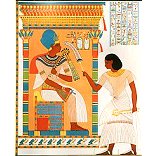
Viceroy of Kush during the reign of Ahmose I. Possibly the first Viceroy to serve in that capacity. Early in the reign of Amenhotep I,
Son of Ahmose called Si-Tayit.
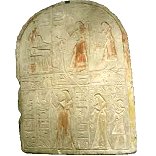
Seni was an ancient Egyptian official with the titles king's son of Kush (Viceroy of Kush), overseer of the southern countries and mayor of the southern city (Thebes). He was in office under the kings Thutmosis I and Thutmosis II. As king's son of Kush he was the main official in charge of the Nubian provinces.
Penre was an ancient Egyptian official of the New Kingdom, in office under the ruling queen Hatshepsut (about 1508–1458 BC). Penre was viceroy of Kush. The writing of his name varies on the monuments between Penre (Panre), Pare and Payre. Because of his high titles, he was one of the most important officials at the royal court, ruling the Nubian provinces. Kush is the Ancient Egyptian name for Nubia.

According to Pammiger, sometime after year 2 of Hatshepsut/Tuthmosis III, Seni retired and was succeeded by Amen-em-nekhu, a confidant of Hatshepsut. After Hatshepsut's death, in year 23 Amenemnekhu was replaced by Nehi, a confidant of Tuthmosis III.
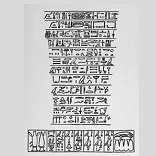
Inebny was an ancient Egyptian official of the New Kingdom, in office under the ruling queen Hatshepsut (about 1508–1458 BC) of the 18th Dynasty. Inebny/Amenemnekhu was viceroy of Kush, therefore one of the most important officials at the royal court, ruling the Nubian provinces.
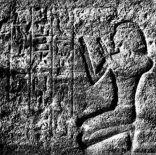
Nehi (or Nehy) was an Ancient Egyptian official with the titles of a viceroy of Kush – the governor of the Nubian provinces which were under Egyptian control. Nehy was in office under Thutmose III. In the 23rd year of Thutmose III he followed the king on his campaign to Syria. There are several inscriptions of Nehy found in Nubia, attesting building activity at several places. Nehi is attested at Buhen, Sai Island and Semneh.
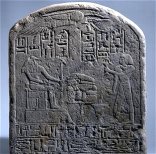
Nehi (or Nehy) was an Ancient Egyptian official with the titles of a viceroy of Kush – the governor of the Nubian provinces which were under Egyptian control. Nehy was in office under Thutmose III. In the 23rd year of Thutmose III he followed the king on his campaign to Syria. There are several inscriptions of Nehy found in Nubia, attesting building activity at several places. Nehi is attested at Buhen, Sai Island and Semneh.
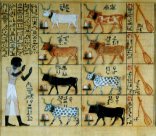
An Egyptian noble of Nubian origin. He probably lived during the rule of the 18th dynasty king Thutmose IV. He probably grew up in the royal nursery as a prince of a vassal territory and as an adult was an advisor or bodyguard to the pharaoh.
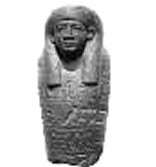
Amenhotep was an ancient Egyptian official with the title king's son of Kush. He appears with his main title in a rock inscription on the island of Suhel. Here he also bears the titles overseer of the cattle of Amun, overseer of works in Upper and Lower Egypt, chief of the stalls of his majesty, overseer of the southern foreign lands and king's scribe.
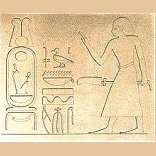
Merymose, also Mermose or Merimes, served for almost the entire four decades of Amenhotep III's reign. Merymose likely accompanied Amenhotep III in year 5 on his campaign against Kush. It is possible that at a later time Merymose led a campaign against the people of an area called Ibhet. The people of Ibhet had resisted Egyptian domination and may have even attacked some Egyptian interests. Merymose led an attack against the Nubians. He killed 312 Nubians and captured 740 prisoners.
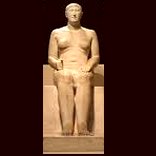
Tuthmose was given the titles King's Son of Kush, Overseer of the Gold Lands of Amun, Overseer of masons, Overseer of the borderlands of His Majesty, and Fan-bearer on the King's right.In year 12 of Akhenaten, Tuthmose was ordered to put down a rebellion by some of the Nubians, according to a stela set up at Buhen. Here were found the fragments of the stela mentioning this rebellion and a viceroy of Kush..
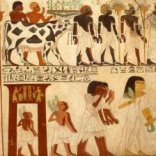
Titles of Huy: Scribe of the letters of the viceroy, Merymose. King's scribe, Mery-netjer priest, King's messenger to every land. Married to Taemwadjsy, chief of the harem of Amun and of the Harem of Nebkheperure (Tutankhamun). Buried in TT 40 located in Qurnet Murrai. In the tomb there is reference to a Temple named "Satisfying the Gods" in Nubia.
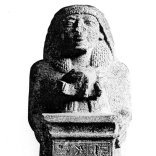
Paser was the son of the Viceroy Amenhotep called Huy, who served during the reign of Tutankhamun, and the Lady Taemwadsji. Paser is attested in a stela at Gebel El Shams, in Suhel, at the road from Assuan to Philae, and on lintel from the temple of Aniba shows Paser adoring the cartouches of Horemheb
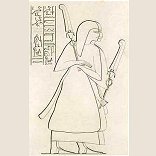
Son of Paser and grandson of Amenhotep-Huy and Taemwadjsy. Mentioned in the temple at Beit el Wali. Amenmopet also has the title First charioteer of His Majesty.
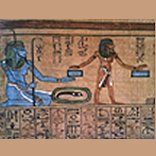
A general and superintendent of the Southern Lands (Kush) at the beginning of the 19th dynasty of Egypt. Pennesuttawy was a brother of the High Priest of Amun, Parennefer.
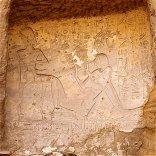
(Also Yunni or Iunni) On a stela in Abydos is inscribed: "Made by the Superintendent of Deserts in the Southern Foreign country, Viceroy in Nubia (Ta-Sety), Chief of Works in the Estate of Amun, Chief of the Madjayu-militia, Iuny. Yuni started the Egyptian building projects at Amara West and Aksha. It was "on his orders that the first blocks of the Abu Simbel temples were cut." Yuny commemorated his work with a rock-cut scene showing himself standing before Ramesses II on the Abu Simbel cliff. After ten years under Ramesses II, Yuny retired from his post in Nubia.
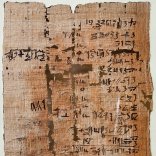
Heqanakht may have been Viceroy of Kush during the 8th to 24th year of Ramesses II's reign. He is present in a rock stela from Abu Simbel, shown adoring Queen Nefertari before offerings in year 24, as well as in a graffiti in Aswan, in a squatting statue from Quban, in the temple of Amada, in Aksha, Amarah and Abry.
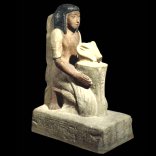
Paser II was the son of the High Priest of Min and Isis named Minmose, related to the troop commander of Kush, commander of the army, and other high officials. He is attested in a statue, a donation stela and a rock stela from Abu Simbel.
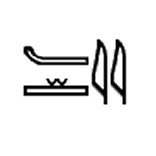
Huy was also Mayor of Tjarw and a royal messenger to the Hatti. According to an inscription, he escorted Queen Maathorneferure from Hatti to Egypt. Buried inTT14 in Thebes (Luxor)
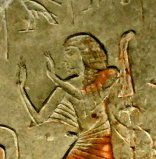
Setau was "a graduate of the royal school", and according to an inscription carved at the temple of Wadi es-Sebua built by him around 1236 BC, he also served as Chief Bowman of Kush, Steward of Thebes, Overseer of the Gold Lands of the Lord of the Two Lands, King's scribe, Governor of the City, and Overseer of the treasury. He also brags to have exploited Nubia, doubling the taxes: "I brought all the dues of the land of Kush in double measure"
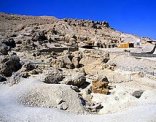
Viceroy of Kush, Governor of the South Lands, Scribe of the Tables of the Two Lands, from the time of Rameses II. His wife was named Hunuro. Anhotep's tomb is TT300.
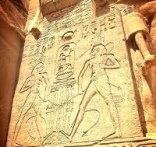
Also Mernudjem. A stela from Abu Simbel mentions that Mernodjem was of a military background.
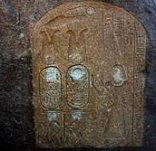
Also Khaemteri (Khaemtjitry). Monuments attesting to Khaemtir's service as Viceroy mostly stem from Buhen, a Nubian fortress located at the Second Cataract. The monuments of viceroy Khaemtjitry all seem to show damage to his name.Vizier Khaemtjitry is shown on a block from a shrine in Deir el-Medina. The name of Khaemtjitry has been plastered over and replaced by that of the Vizier Parahotep. There is some confusion about his function.
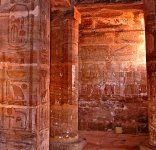
Messuy was appointed Viceroy of Kush in year 5 of Merneptah and followed Khaemtir in office. Messuy added many inscription to temples and sites in Nubia, including Amada, Aksha, Amara, Temple of Beit el-Wali, Wadi es-Sebua, and Bigeh Island. Some scholars suggest that Messuy was to be identified with Pharaoh Amenmesse. Kraus conjectured that Messuy had taken power in Southern Egypt after a short reign of Seti-Merneptah, the son and heir of Merneptah.
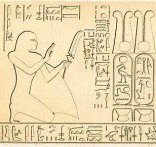
Sety, or Sethy or Seti, is given many titles in Abu Simbel: Hereditary Prince, Count, King's Son of Kush, Overseer of the Gold Lands of Amun, Fan-bearer on the King's right, King's Scribe of the letters of Pharaoh, First chief in the stable, Eyes of the King of Upper Egypt, Ears of the King of Lower Egypt, High-Priest of the Moon-god, Thoth, Overseer of the Treasury, and Overseer of the letter-scribes in the Court of the Palace-of-Ramesses-Miamun, in the Court. He is also mentioned in Buhen, Suhel and on the road from Assouan to Philae.
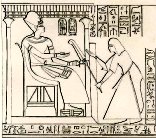
Hori's titles include: King's Son of Kush, First charioteer of His Majesty, and King's messenger to every land.Hori's tomb was found in Tell Basta.
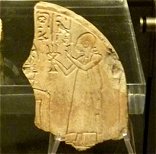
Hori II is a son of Hori I and also served as Viceroy of Kush. Their tombs have been found in Tell Basta. Hori II may have been the father of a later Viceroy named Wentawa. Hori II held the titles King's son of Kush, overseer of the Gold Lands of Amen-Re, King of the Gods, and king's scribe. A depiction of Hori II and the Governor of Buhen are shown before the cartouche of Ramesses III on a lintel from Buhen. Hori II is also attested in Suhel Island and Semneh.
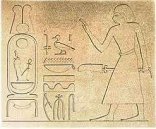
Nothing more is known about Siese than that he was probably the successor of Hori II as Viceroy of Kush.
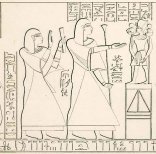
This viceroy of Kush is only known as successor of Siese. He is the father of Viceroy Wentawat.
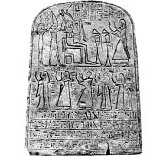
Wentawat (also written as Wentawuat) was a son of the Viceroy Nahihor. Wentawat's titles include: King's son of Kush, overseer of the Gold Lands of Amun-Ra King of the Gods, Head of the stable of the Court. A stela shows Wentawat, his wife Tausert (also written as Tawosret) and his son Nahihor (or Naherhu), who held the title of Head of the stable of the Residence. Another son, Ramessesnakht, succeeded his father as Viceroy of Kush. Wentawat is also known from a damaged granite statuette depicting him while kneeling and holding the figure of a god.
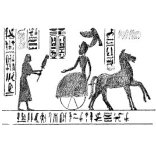
Viceroy of Kush, son of Wentawat who preceded him in this function.
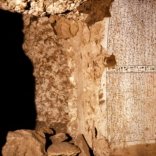
A viceroy mentioned in grafitto on a pillar in the temple of Buhen. The text also mentions Ramesses XI.
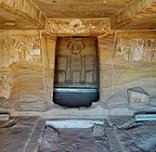
This Viceroy became persona non-grata. Panehsy, the most powerful person in the Thebaid, set up a military coup by his own decision and without royal support. High Priest Amenhotep may not have been killed then, but helped by the king, without gaining back his former position, however. A source of conflict was Amenhotep's accusation of atrocities by the Nubian soldiers of Panehsy against the Theban population, whereupon Panehsy received the royal command to leave Thebes and to travel south. Nine months after the war had started, Herihor's army dispelled that of Panehsy, the later enemy of state, to the south. Panehsy, buried in Aniba, can be considered the founder of an independent Nubia.
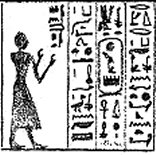
This Viceroy of Kush has been newly recognized and published in 1985 the Egyptology journal Göttinger Miszellen
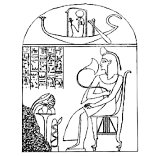
Piankh held a number of official positions including High Priest of Amun,[3] King's scribe, King's son of Kush, Overseer of the foreign countries to the South, overseer of the granaries and commander of the archers of the whole of [Upper] Egypt. In year 10, Piankh, in his position as Viceroy of Kush, led an army into Nubia with the apparent aim to 'meet' a certain Pinehesy, probably the former Viceroy of Kush. It is believed that since then he lived in Nubia as an enemy of the state. Although it is often postulated that it was the aim of this expedition to fight Pinehesy, this is by no means certain.
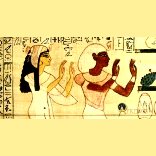
Herihor was an Egyptian army officer and High Priest of Amun at Thebes (1080 BC to 1074 BC) during the reign of Pharaoh Ramesses XI. At the decoration of the hypostyle hall walls of the temple of Khonsu at Karnak, Herihor served several years under king Ramesses XI since he is shown obediently performing his duties as chief priest under this sovereign.[6] But he assumed more and more titles, from high priest to vizier, before finally openly taking the royal title at Thebes, even if he still nominally recognised the authority of Ramesses XI, the actual king of Egypt.
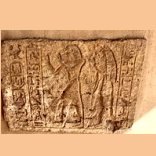
The el-Hibeh archive mentions Akheperre who is a Third Priest of Amun and a Viceroy of Kush.
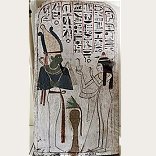
Also Nsikhonsou, mentioned on the stela as the 'great one of the musical part of Amun-Re, king of gods, priestess of Satet, (female) viceroy of Kush, overseer of the Southern Lands' Wife of Pinudjem II. Also entitled First Great favourite of Amen-Re, priestess of Khnum, Lord of the Cataract, king's son of Kush, Overseer of the Southern Lands. She was the daughter of Smendes II and Takhentdjehuti,[1] and wed her paternal uncle, High Priest Pinedjem II, by whom she had four children: two sons, Tjanefer and Masaharta, and two daughters, Itawy and Nesitanebetashru.
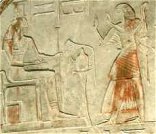
King's Son of Kush, Overseer of the Southern Lands, Prophet of Khnum - reign of Osorkon II
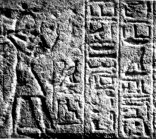
King's Son of Kush, Overseer of the Southern Lands reign of Takelot II
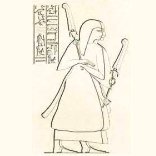
The title of Viceroy is attested on the coffins of his grandsons. Pamiu's son Pakhuru also became Vizier and later married Ir-bast-udja-tjau, a daughter of Takelot III. Another son Pediamonet would also become Vizier. The office of Viceroy was not inherited by Pamiu's sons.
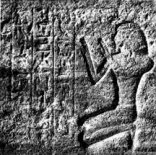
Vizier, Overseer of the Southern Lands, Prophet of Khnum reign of Takelot III? From Basis of a standing statue, from Akhmin.
